- Read offline
- Access all content
- Use the in-app Map to find sites, and add custom locations (your hotel...)
- Build a list of your own favourites
- Search the contents with full-text search functionality
- ... and more!


bourru
brand new wine
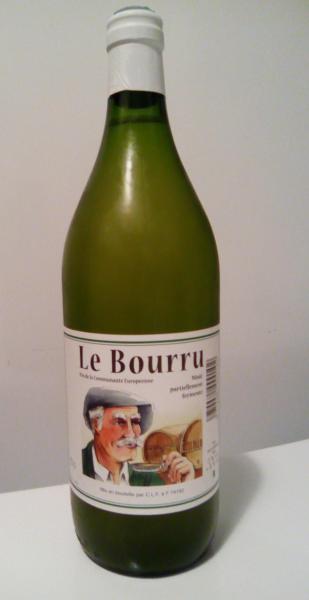
Le bourru makes its brief appearance right after the grape harvest from the three day old juice that has just started to ferment, making it mildly effervescent with a very low alcohol content. Wine-makers would taste it for a clue on the final product. It is sold briefly in some places— look for it in the refrigerated section of the supermarket.
It quickly changes, losing its effervescence as more alcohol is created. Hence it’s other name, vin ephemeral. Fans love to drink it with hot roast chestnuts.
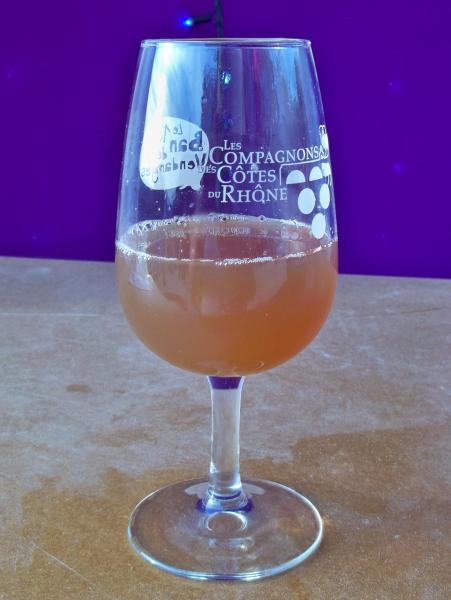
It’s also commonly known bourret in Béarn bernache in Anjou, Touraine and Haut-Poitou, neuer süsser or vin nouveau in Alsace, or vin doux in Burgundy.
In Beaujolais, where red wine is pressed before having completed its fermentation, it’s called paradis that takes more like regular red wine because the maceration adds dissolved tannins.
You can find versions of bourru or new wine commercialized as pétillant de raisin (1 to 3 per cent alcohol) or pétillant naturel (wine that ferments in the bottle).
Images by JJ Georges, Véronique PAGNIER