- Read offline
- Access all content
- Build a list of your own favourites
- Search the contents with full-text search functionality
- ... and more!


cedro
citron
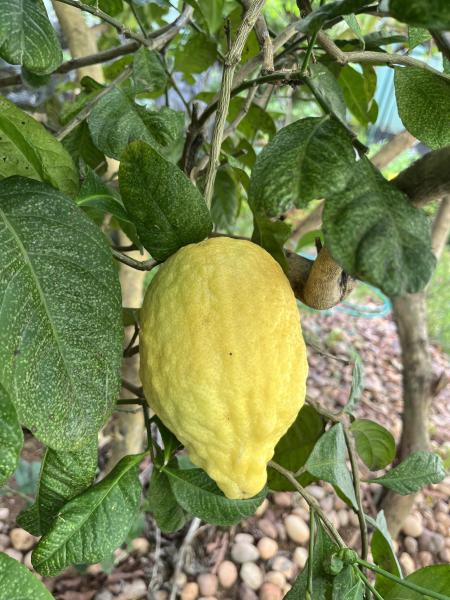
A large yellow citrus fruit with a thick edible skin; native to the Middle East, brought to Italy in the 10th century by the Arabs. They grow along the Riviera del Cedro in Calabria where they are harvested for Sukkot in the autumn; the smooth-peel citron (cedro liscio di Diamante) is in the Slow Food Presidium. There’s even a Museo del Cedro in Santa Maria del Cedro.
Before the advent of train travel there was also a huge market for them, for similar ritual reasons, in Limone sul Garda on Lake Garda—the northernmost spot where citrus can survive, from where they were exported to Austria and Germany.
They have very thick rinds and can be eaten candied, in preserves or jams, or sliced thinly and served with olive oil and salt as an antipasto; they are also the main ingredient in cedrata.
Image by Shantham11