- Read offline
- Access all content
- Use the in-app Map to find sites, and add custom locations (your hotel...)
- Build a list of your own favourites
- Search the contents with full-text search functionality
- ... and more!


Cotignac d’Orléans
historic quince paste
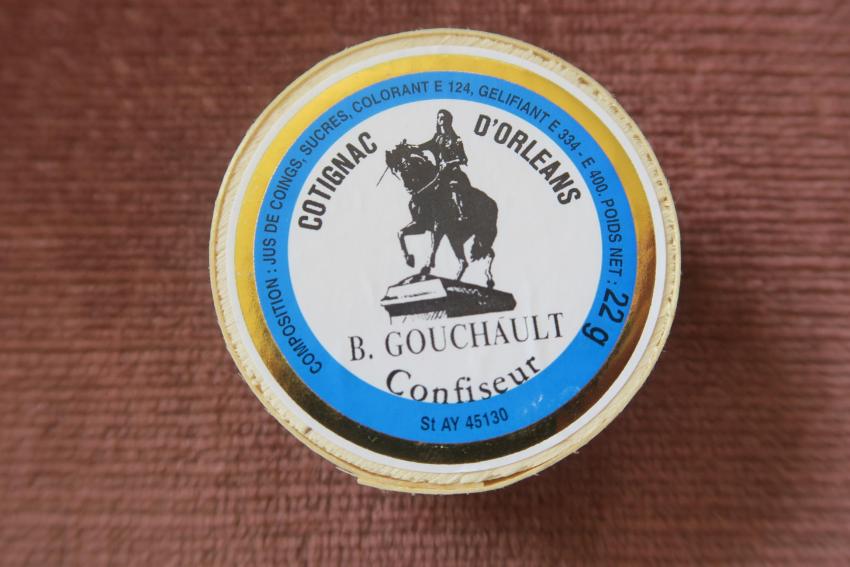
In Orléans you can find Cotignac d’Orléans (or confiture d'Orléans), a quince jelly invented in the 14th century as a digestive cure by an apothecary from Cotignac in the Var, who moved to Orléans. It became a favourite sweet of kings from Louis XI and François I to Louis XV—and Charles d Gaulle. Ambassadors to the French court would also pack a few boxes to take home. Pantagruel ate some in Rabelais.
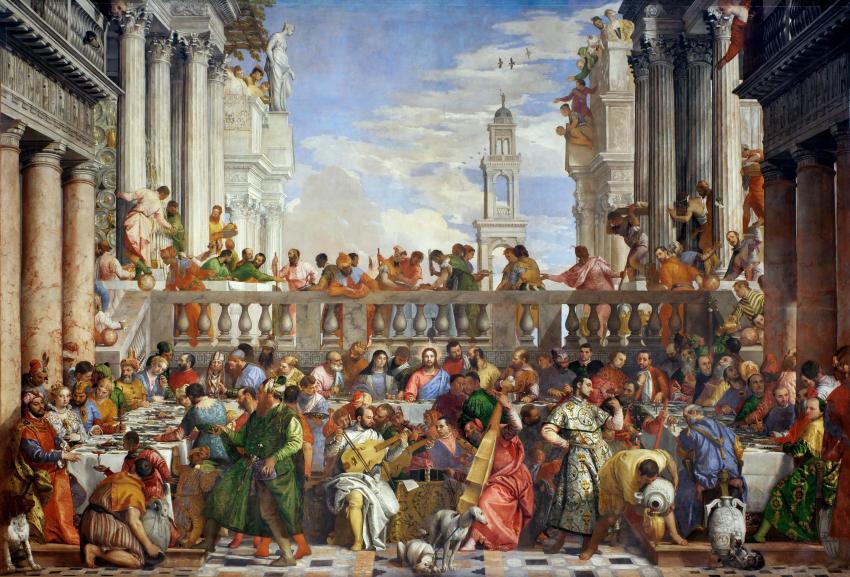
If you look closely, you can even be see some on the table in Veronese’s Wedding at Cana (1563) in the Louvre.
The recipe, rather adapted over the centuries (the honey was replaced by sugar, and there’s cochineal red instead of red wine) made by Benoit Gouchault in St-Ay, in a little wooden boxes with Joan of Arc on the label, to be eaten with a spoon (or lick, if you’re not sharing); it’s the ancestor of roudoudou.
Images by moi, Unknown photographerUnknown photographer